My Stage - Music Ecosystem App Design
A live music discovery platform that connects fans, artists, venues, and organizers through easier event discovery, communication, and community-focused experiences.
Role
UI/UX Design Intern, Graphic Designer
Industry
Music & Entertainment
Duration
5 month
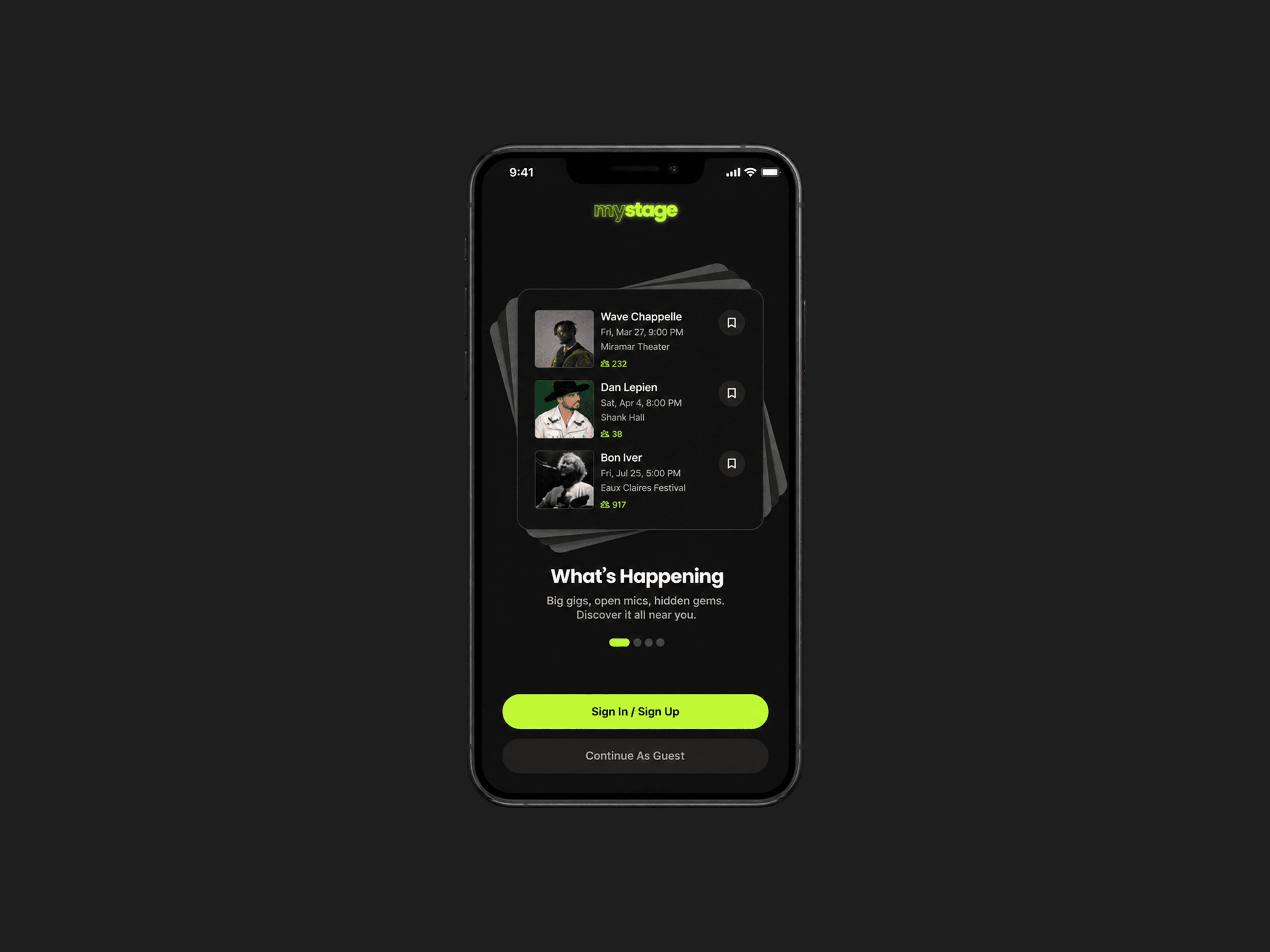
1. About the Project
MyStage is a live music platform built around local music discovery. It brings together fans, artists, venues, and event organizers, helping people find shows, discover new bands, and stay connected with their local music scene.
When I joined the project, MyStage already had a working product and a clear idea behind it, but the app needed a stronger visual identity and a more consistent user experience. My role was to help redesign the product, improve important user flows, and create a visual system that could be used across different parts of the platform.
2. My Role
I worked as a UX/UI Designer and was involved in both the visual redesign and the broader UX of the product.
My work included redesigning existing screens, creating new UI elements, improving user flows, and helping organize the overall experience of the app. I also worked on projects outside of the main mobile app, including an internal CRM, a separate festival navigation product, marketing materials, stickers, badges, and a pitch deck for the founder.
Because the team was relatively small, I had the chance to work on very different parts of the product rather than being limited to one feature.
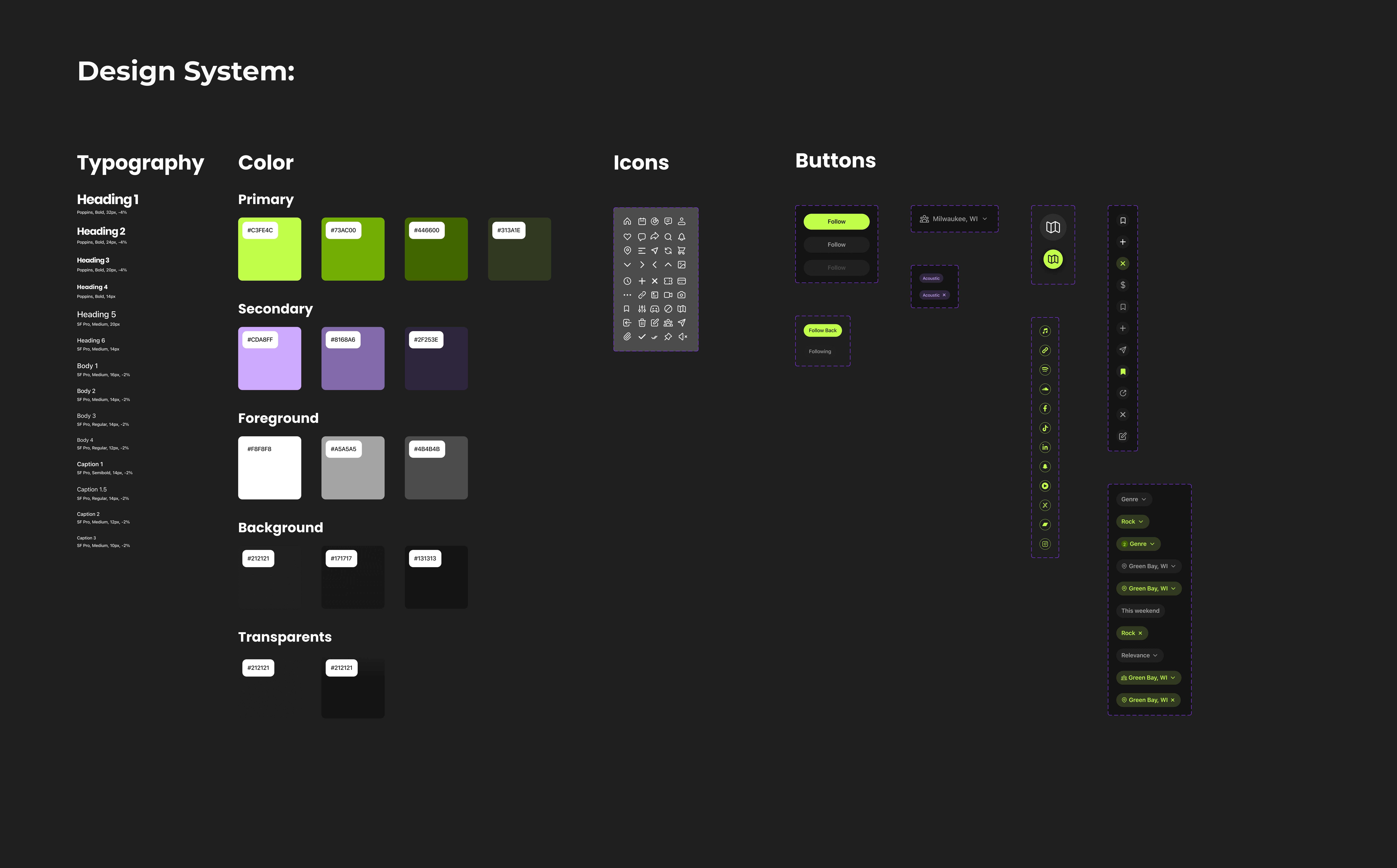
3. Creating a new visual direction
One of my main tasks was updating the visual style of the app. I introduced a new color palette, typography, buttons, icons, and other interface elements to make the product feel more consistent and easier to recognize.

The goal was to create a style that fit the live music industry without making the interface feel too busy. The app contains a lot of content — events, venues, artists, recommendations, and profiles — so the visual system also needed to make that information easier to scan.
I worked on keeping the darker overall look of the product while using brighter accent colors to highlight important actions and content.
4. Improving key user flows
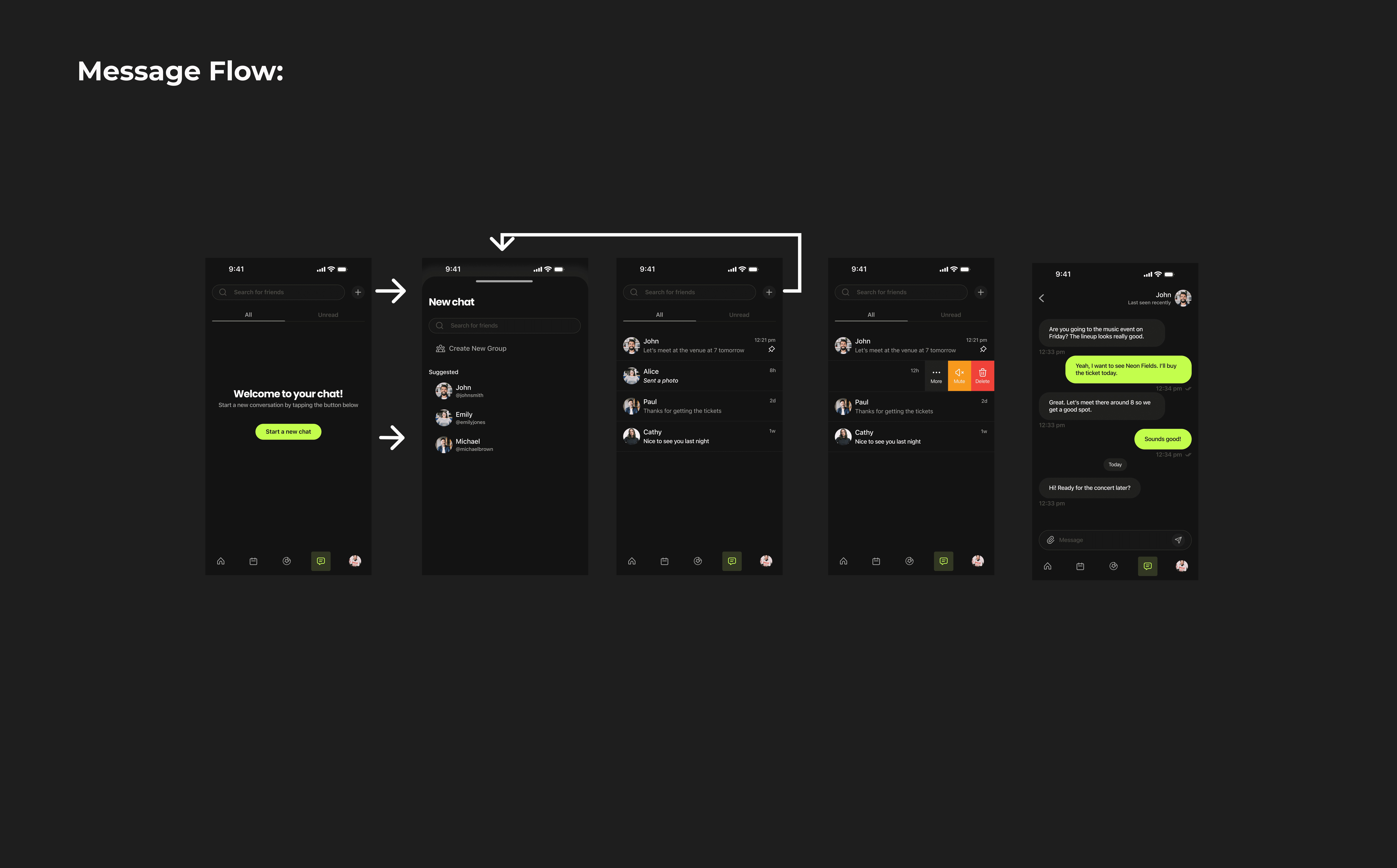
I worked on several core parts of the product, including the onboarding and messaging flows.
For onboarding, the main goal was to make the first interaction with the app easier to understand and reduce unnecessary friction. Since MyStage was designed for different types of users, including fans, artists, venues, and organizers, the flow also had to work well for people coming to the platform with very different goals.

I was also involved in improving the messaging experience. Communication was an important part of the platform, so I focused on making the flow more intuitive and keeping the interaction patterns consistent with the rest of the app.
5. User interviews and festival navigation
I also took part in user interviews for a separate festival navigation product connected to the MyStage ecosystem.
The product was designed to support different groups involved in festivals, including visitors, venues, vendors, volunteers, and organizers. During the research stage, we looked at how people currently find information, navigate between locations, communicate during events, and what problems they face in the process.
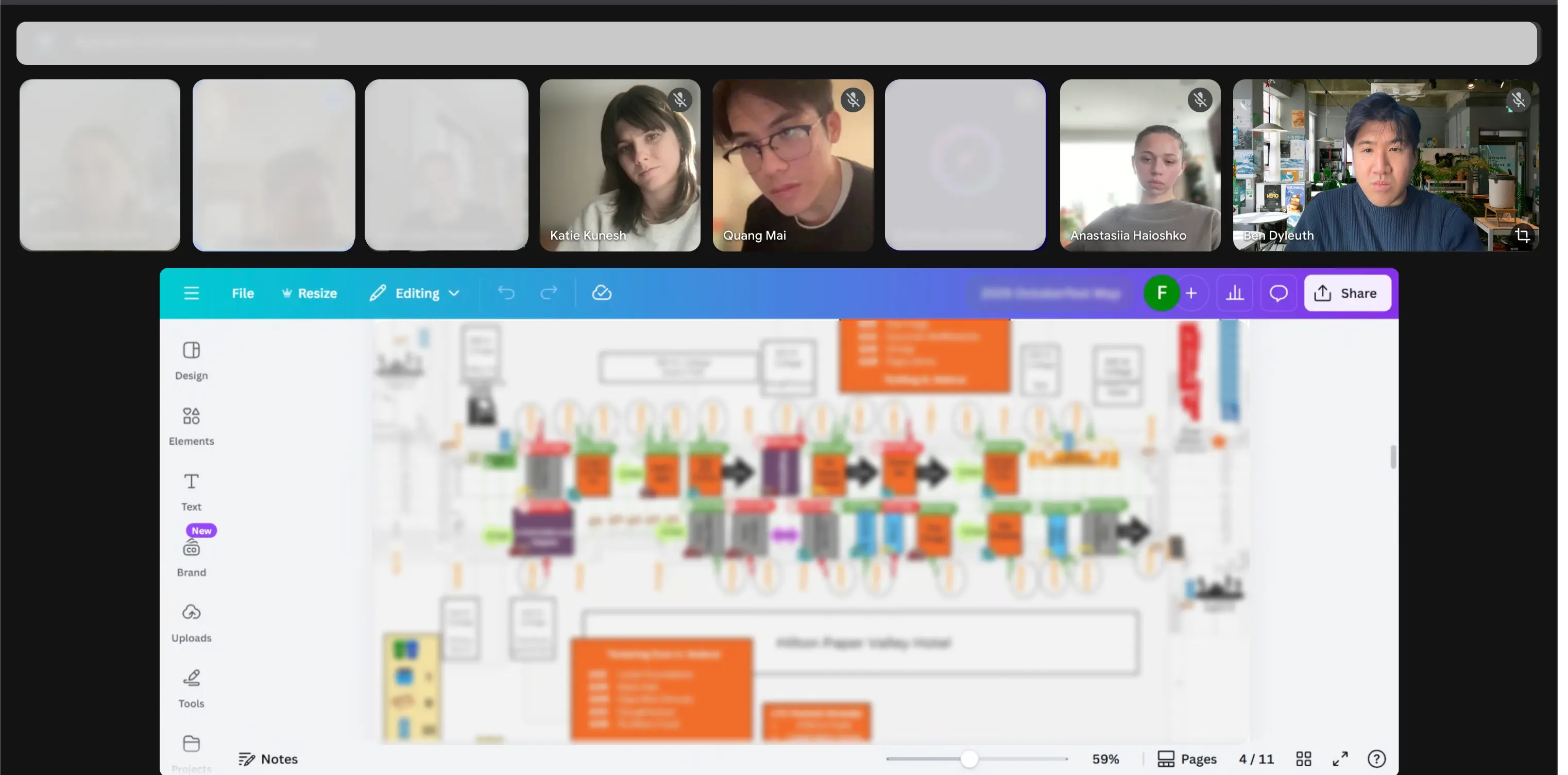
Taking part in these interviews helped me better understand how research can influence product decisions before moving into UI design. The findings were used to shape the product structure and define which features were actually useful for different types of users.
6. Working beyond the main app
My role also included work outside of the main mobile product. I contributed to the UX of an internal CRM system, which was created to support the operational side of the platform and help manage information related to the MyStage ecosystem.
Beyond UX/UI, I worked on other visual and product-related materials, including flyers and a pitch deck for the founder. This gave me experience working across different types of design tasks while keeping the product and brand visually consistent.
Because of this, my work on MyStage covered not only UI design but also user flows, product structure, research, internal tools, and brand communication.


7. What I took from the project
MyStage taught me to think about design beyond individual screens. I had to consider how different parts of the product connected, how the same system worked for very different users, and how design decisions affected both the customer-facing app and the tools behind it.
It also gave me a better understanding of how research, product thinking, visual design, and business needs come together. Working across the app, CRM, festival product, and brand materials made me more comfortable moving between different types of design problems while keeping the overall experience consistent.
Other projects
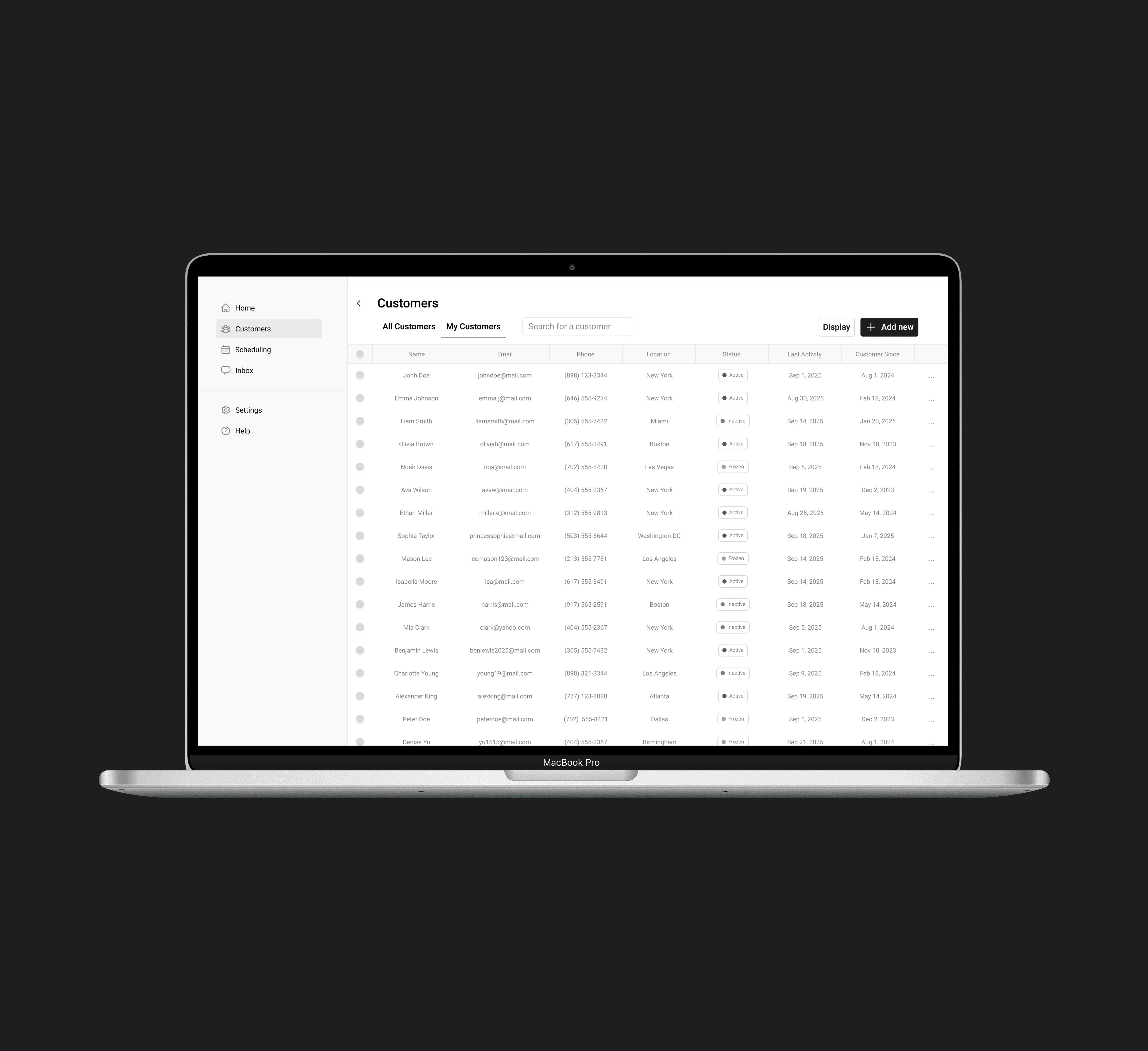
EPR System for Personal Trainer Design
An ERP solution for gyms that streamlines customer management, scheduling, and memberships with faster, simpler flows.
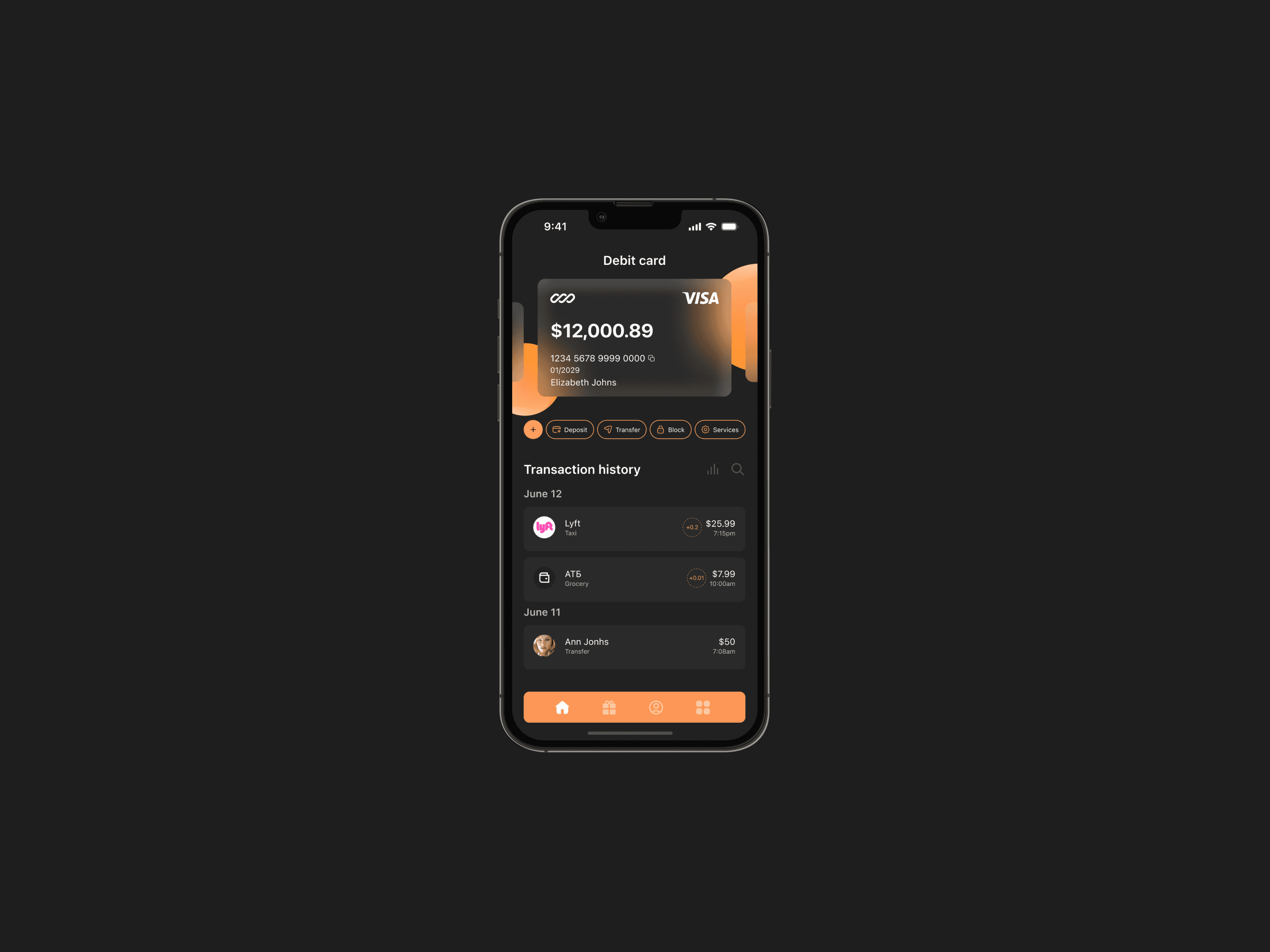
Banking App Redesign
A modern, trustworthy fintech app redesigned with clear navigation, scalable components, and an intuitive user journey.
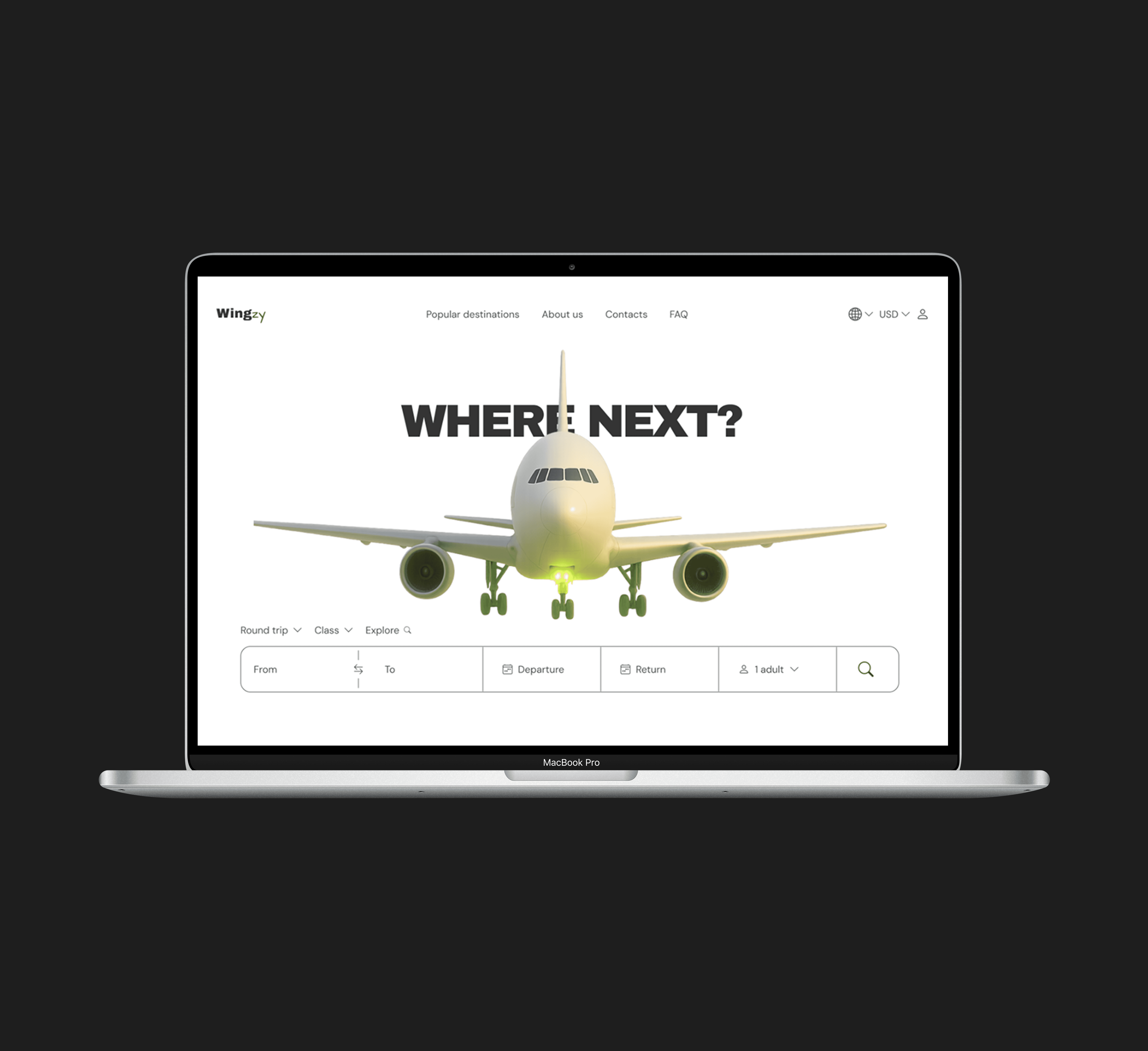
Wingzy - Flight Search Aggregator Design
A transparent and inclusive flight booking platform designed with accessibility, fixed prices, and trust at its core.
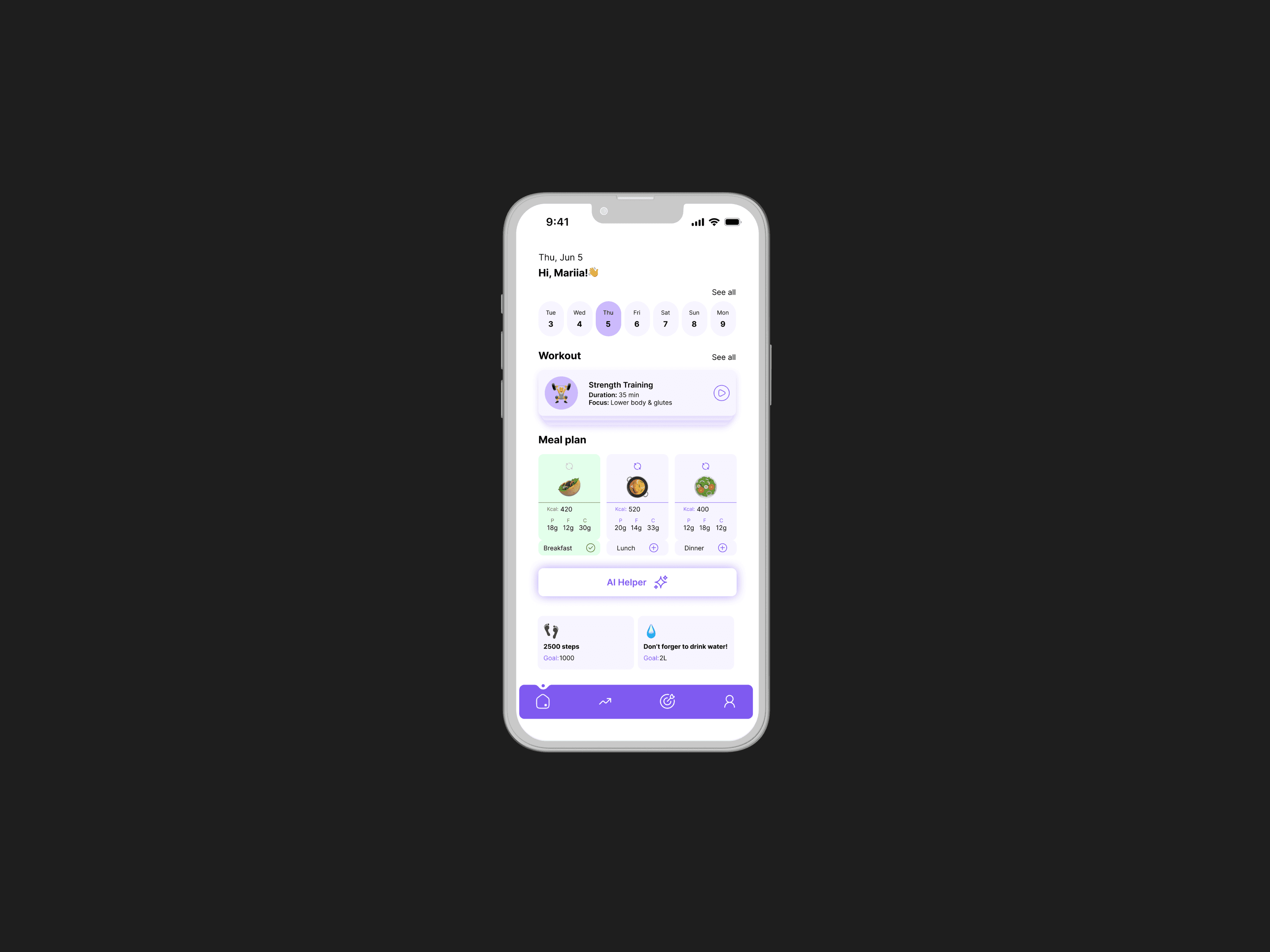
Stride - Wellness App Design
A gamified fitness app that combines workouts, nutrition, and habits into a playful, motivating daily experience.